Category: IT

  • Offshore 101: Understanding the Concept, BenOffshore 101: Understanding the Concept, Benefits, and Practical Applications

    Offshore 101: Understanding the Concept, BenOffshore 101: Understanding the Concept, Benefits, and Practical Applications

    Have you ever come across the term “offshore” but weren’t quite sure what it really means? In this article, we will break down the concept of offshore, explore related terms like onshore and nearshore, and give practical examples to illustrate how it is applied in the real world.

    1. What does Offshore mean?

    The word “offshore” literally means “away from the shore” or “beyond the coast.” In business and finance, it refers to any operation, entity, or activity that is carried out in a foreign country, often for strategic, financial, or operational reasons.

    Understanding the Term “Offshore”

    For example, a company headquartered in the United States that registers a subsidiary in Singapore or the Cayman Islands is engaging in offshore activities. Offshore can also describe bank accounts, investments, or business structures set up outside one’s home country.

    Key points to understand:

    • Not just abroad: Offshore is not simply “working abroad” but refers specifically to activities outside the home country for strategic purposes.
    • Purpose-driven: Common objectives include tax optimization, access to international markets, cost efficiency, regulatory benefits, and asset protection.
    • Widely used: Offshore structures and operations are common in international business, finance, legal planning, and investment management.

    2. Related Concepts

    • Onshore
      Onshore refers to activities, investments, or entities within the same country as the main business or individual. Onshore operations typically involve fewer regulatory and communication challenges compared to offshore operations but may not offer the same financial or strategic advantages. For example, a U.S.-based company opening a branch in another U.S. state is conducting onshore activities.
    • Nearshore
      Nearshore refers to operations conducted in neighboring or nearby countries, usually with similar time zones or cultural backgrounds. Nearshoring aims to balance the benefits of offshore activities with easier collaboration and communication. For instance, a company in Germany hiring a software development team in Poland or Romania is using a nearshore model. Nearshore operations can provide cost savings while reducing coordination difficulties compared to distant offshore setups.

    3. What are the benefits of offshore operations?

    1. Cost Efficiency
      One of the main advantages of offshore activities is cost savings. Companies can reduce expenses on labor, operations, and infrastructure by leveraging countries with lower costs. For example, a European business managing part of its operations through a Singapore subsidiary can benefit from favorable tax regimes while keeping costs under control.
    2. Access to Global Opportunities
      Offshore strategies allow businesses to expand internationally, access new markets, and diversify operations. A company may use offshore structures to sell products globally or invest in emerging markets that would otherwise be inaccessible.
    3. Flexibility and Scalability
      Offshore arrangements provide flexibility to scale operations without being constrained by domestic resources. Companies can adjust their international presence according to demand, market opportunities, or strategic priorities.
    4. Risk Management and Asset Protection
      Certain offshore structures offer legal and financial protections. For instance, offshore companies or accounts can safeguard assets, separate liabilities, and optimize tax planning, while remaining compliant with international regulations.
    5. Strategic Focus
      By moving non-core operations offshore, businesses can focus on core activities in their home country, such as innovation, marketing, and strategic development. This approach helps companies remain competitive while leveraging global efficiencies.

    Businesses use offshore to save, expand, and stay flexible.

    4. What are the challenges of offshore activities?

    1. Regulatory and Legal Complexity
      Operating offshore requires careful attention to local laws, international regulations, and compliance standards. Failure to comply can lead to penalties or legal complications.
    2. Communication and Coordination
      Different time zones, languages, and cultures may create coordination challenges. Ensuring effective communication is crucial to avoid misunderstandings and delays.
    3. Risk of Mismanagement
      Without proper oversight, offshore operations may face performance inconsistencies or misalignment with corporate goals. Regular monitoring and governance are essential.
    4. Political and Economic Risks
      Changes in political policies, tax laws, or economic stability in the offshore country can affect operations or investments. Companies must evaluate country-specific risks before committing.
    5. Integration and Transparency
      Offshore structures can sometimes create distance between management and operations, leading to a lack of transparency. Establishing clear reporting lines, audits, and governance policies can mitigate this challenge.

    Managing offshore operations involves legal, political, and communication challenges.

    5. Practical Applications of Offshore

    Offshore activities are commonly applied in the following areas:

    • Company Formation: Many businesses establish offshore entities in countries with favorable regulations or tax structures, such as Singapore, Hong Kong, or the Cayman Islands.
    • Banking and Finance: Offshore accounts and investment vehicles are used for asset protection, tax planning, and international transactions.
    • Professional Services: Companies may perform offshore activities in accounting, legal services, or consulting through foreign branches or partners.
    • Trade and Operations: Global supply chains often involve offshore production, procurement, or service operations to optimize costs and access global talent.

    For example, a U.S.-based entrepreneur may create an offshore company in Singapore to manage international sales while benefiting from Singapore’s business-friendly tax regime. Meanwhile, a European company might maintain nearshore customer support in Poland for smoother communication while keeping development teams offshore in Asia for cost efficiency.

    6. How Offshore Companies Work

    Offshore companies are legal entities registered in a foreign country, often chosen for favorable tax, business, or regulatory conditions. They allow businesses to manage assets, investments, or operations internationally while benefiting from local incentives like lower taxes or simpler reporting.

    Typically, an offshore company is overseen by a local agent or director, while strategic decisions are coordinated remotely by the main stakeholders. Banking, accounting, and compliance are handled according to the offshore jurisdiction’s rules.

    Companies leverage offshore entities for global management and efficiency.

    For example, a U.S. entrepreneur may register a company in Singapore to manage international clients and optimize taxes while keeping the core team in the U.S. Similarly, a European investor could use a Cayman Islands holding company to manage global investments efficiently. Understanding these operations helps businesses navigate regulations and optimize global resources.

    Conclusion

    Offshore is more than a term; it represents a strategic approach to global business and investment. It offers cost efficiency, international market access, scalability, and asset protection, but also comes with challenges like regulatory compliance, communication barriers, and political risks. Understanding offshore and related concepts such as onshore and nearshore empowers businesses and investors to make informed decisions and leverage international opportunities responsibly. Whether for company formation, investment, or global operations, offshore strategies remain a powerful tool in today’s interconnected world.

    If you’re looking to build an Offshore Development Center in Vietnam, then Teaser Software is truly the partner you can rely on. We’ve helped many international clients — from startups to enterprise-level companies — set up full offshore engineering teams here in Hanoi. What makes us different is our commitment to transparency, communication, and long-term partnership. We don’t just provide developers — we build a dedicated extension of your company, fully aligned with your vision and culture. 

    Whether you need to scale fast, expand your capabilities, or establish a long-term tech presence in Southeast Asia, Teaser Software provides the structure, the people, and the support to make it happen. 

    So if you’re exploring the idea of building your own ODC in Vietnam — let’s connect. Our team will walk you through everything you need to know and help you build the perfect offshore team for your business.
  • The Role of IT Outsourcing in Agile Development Environments

    The Role of IT Outsourcing in Agile Development Environments

    In today’s fast-paced software industry, Agile development has become the go-to methodology for delivering high-quality products efficiently. However, maintaining an Agile workflow requires skilled resources, rapid iterations, and seamless collaboration—challenges that many businesses struggle with due to limited in-house expertise, budget constraints, or scalability concerns.

    IT Outsourcing Control

    This is where IT outsourcing plays a crucial role. By leveraging external expertise, companies can access a global talent pool, accelerate development cycles, and optimize costs without compromising quality. Outsourcing partners can integrate seamlessly into Agile teams, providing specialized skills, round-the-clock development support, and the flexibility needed to scale operations up or down as project demands shift. Additionally, outsourcing allows businesses to focus on core competencies while delegating complex technical tasks to experienced professionals, ultimately enhancing productivity and innovation.

    In this article, we will explore how IT outsourcing complements Agile development, the benefits it brings to software teams, and best practices for ensuring successful collaboration between in-house and outsourced teams.

    The Importance of Choosing the Right IT Outsourcing Partner

    Selecting the right outsourcing partner is crucial for successfully integrating IT outsourcing into Agile development. A well-matched provider ensures seamless collaboration, maintains development speed, and upholds quality standards. When evaluating potential outsourcing partners, businesses should consider the following key criteria:

    Expertise in Agile Development

    Agile outsourcing requires a deep understanding of Scrum, Kanban, SAFe, and Lean methodologies. The right partner should have a proven track record of working within Agile frameworks, demonstrating their ability to adapt to rapid iterations, continuous delivery, and cross-functional team collaboration. Look for partners who have successfully executed Agile projects across different industries and can provide case studies or client references.

    Transparency in Communication

    Effective Agile collaboration depends on clear, real-time communication. An ideal outsourcing partner should prioritize transparency, using tools like Jira, Trello, Slack, or Microsoft Teams to ensure smooth information flow. They should actively participate in daily stand-ups, sprint planning, and retrospectives, ensuring that both in-house and outsourced teams stay aligned. Additionally, establishing clear KPIs and regular reporting mechanisms helps maintain visibility into project progress and performance.

    Compliance with Security and Legal Standards

    Outsourcing involves sharing sensitive business data, making security and compliance essential. The right partner must follow industry-standard security protocols and comply with regulations such as ISO 27001, GDPR, HIPAA, and SOC 2. NDAs (Non-Disclosure Agreements), robust access control policies, and encrypted communication channels should be in place to safeguard intellectual property and prevent data breaches. Regular security audits and adherence to compliance best practices further enhance trust and risk mitigation.

    Flexibility in Team Scaling

    Agile projects often require dynamic team structures that adjust based on project needs. A reliable outsourcing partner should offer scalable solutions, allowing businesses to quickly expand or reduce team size without long-term commitments. Whether scaling up for a product launch or optimizing resources during a maintenance phase, flexibility is key to ensuring efficiency and cost-effectiveness.

    By carefully selecting an outsourcing partner that meets these criteria, companies can enhance their Agile development capabilities, accelerate product delivery, and maintain high-quality software solutions while optimizing costs.


    How IT Outsourcing Supports Agile Development

    In an Agile environment, where speed, adaptability, and efficiency are paramount, IT outsourcing provides a strategic advantage that enables companies to navigate challenges while maintaining high development standards. By leveraging external expertise, businesses can enhance their Agile workflows in several key ways.

    Access to Specialized Expertise

    Agile development thrives on cross-functional teams with diverse skill sets, from front-end and back-end development to quality assurance, DevOps, and cloud engineering. However, assembling such a team in-house can be time-consuming and costly. Outsourcing allows companies to tap into a vast global talent pool of seasoned professionals who possess specialized knowledge in cutting-edge technologies, frameworks, and Agile best practices. This ensures that businesses can rapidly onboard experts with the precise skill sets needed for each phase of development, accelerating project execution without the delays associated with recruitment and training.

    Scalability & Flexibility

    One of the defining characteristics of Agile is its iterative approach, where project requirements evolve based on continuous feedback. This necessitates a dynamic team structure that can expand or contract depending on workload fluctuations. IT outsourcing provides the flexibility to scale resources up or down effortlessly, ensuring that companies can meet project demands without overcommitting to long-term staffing costs. Whether ramping up a team for a critical product launch or streamlining operations during a maintenance phase, outsourcing ensures optimal resource utilization while maintaining efficiency.

    Faster Development Cycles

    Agile methodologies emphasize rapid iterations and continuous delivery, both of which require a development pipeline that operates seamlessly. Outsourcing to global teams, particularly those in different time zones, enables 24/7 development cycles, where work progresses even outside of standard business hours. This “follow-the-sun” approach significantly reduces turnaround times, accelerates sprint completion, and ensures that new features or updates are delivered to market faster. Additionally, outsourcing partners often bring structured workflows and automation expertise that further streamline development and deployment processes.

    Cost Optimization

    Building and maintaining an in-house Agile team demands substantial financial investment in hiring, training, infrastructure, and employee retention. By outsourcing, companies can eliminate many of these fixed costs and instead operate on a more flexible, pay-as-you-go model. This allows businesses to allocate financial resources toward core product innovation, customer acquisition, and competitive differentiation rather than getting bogged down in operational expenses. Furthermore, outsourcing to regions with favorable labor costs provides an additional layer of financial efficiency without compromising quality.

    Improved Focus on Core Business Goals

    By delegating development, testing, and infrastructure management to a trusted outsourcing partner, internal teams can concentrate on strategic business objectives such as market expansion, customer experience enhancement, and long-term product vision. This division of labor ensures that leadership and key stakeholders are not overwhelmed with technical execution but instead can direct their efforts toward growth, innovation, and sustaining a competitive edge. Additionally, outsourcing partners often bring industry insights and best practices that contribute to overall business strategy, fostering continuous improvement and innovation.

    Ultimately, IT outsourcing serves as a powerful enabler for Agile development, providing the expertise, scalability, speed, cost-efficiency, and focus necessary to drive success in a competitive digital landscape.

    Challenges & Solutions in Agile IT Outsourcing

    While IT outsourcing brings significant advantages to Agile development, it also presents unique challenges that, if not managed effectively, can hinder productivity and collaboration. Below, we explore some common challenges and practical solutions to ensure a seamless Agile outsourcing experience.

    Communication Gaps Due to Time Zones and Cultural Differences

    One of the most common obstacles in Agile outsourcing is communication friction caused by time zone differences and varying cultural workstyles. Misalignment in working hours can lead to delays in feedback loops, while differences in work culture, expectations, and language proficiency may affect collaboration and decision-making.

    Solution:

    To bridge these gaps, organizations should establish clear communication protocols and leverage Agile collaboration tools such as Slack, Microsoft Teams, Jira, and Confluence for real-time updates, task tracking, and asynchronous communication. Additionally, defining overlapping working hours, scheduling regular video meetings, and fostering a culture of transparency can enhance collaboration. Investing in cross-cultural training and setting expectations for responsiveness and work ethics can also improve team dynamics.

    Lack of Control Over Outsourced Teams

    Agile teams rely on continuous collaboration, rapid iterations, and shared ownership of tasks. However, when working with an outsourced team, companies may feel a lack of control over project progress, adherence to Agile principles, or overall accountability.

    Solution:

    To maintain alignment, businesses should establish strong Agile governance by implementing daily stand-ups, sprint planning sessions, retrospectives, and regular progress reviews. Clear key performance indicators (KPIs) and service-level agreements (SLAs) should be set to track performance. Additionally, assigning a dedicated Agile coach or project manager to oversee outsourced teams and facilitate seamless integration with in-house teams can ensure greater visibility and accountability.

    Security and Data Privacy Concerns

    Handling sensitive business data and intellectual property while outsourcing development raises concerns about security breaches, data leaks, and regulatory compliance. Without proper safeguards, outsourcing can pose risks to confidentiality and business integrity.

    Solution:

    To mitigate security risks, companies should partner with outsourcing vendors who adhere to industry-leading security standards such as ISO 27001, GDPR, HIPAA, or SOC 2 compliance. Implementing non-disclosure agreements (NDAs), role-based access controls (RBAC), secure VPNs, and end-to-end encryption can further protect sensitive information. Additionally, conducting regular security audits and providing cybersecurity training for both in-house and outsourced teams can strengthen overall data protection.

    By proactively addressing these challenges with structured solutions, companies can successfully integrate IT outsourcing into Agile workflows, ensuring efficiency, security, and seamless collaboration across distributed teams.

    ChallengeSolution
    Communication gaps due to time zones and cultural differencesUse Agile collaboration tools like Slack, Jira, and Confluence for real-time updates
    Lack of control over outsourced teamsImplement daily stand-ups, sprint planning, and retrospectives to maintain alignment
    Security and data privacy concernsWork with trusted outsourcing partners who follow industry best practices in security and compliance

    Why Choose TEASER for Agile IT Outsourcing?

    TEASER is a trusted IT outsourcing partner, providing Agile-centric teams, rapid scalability, and seamless integration into your development process. Our expertise in Scrum, Kanban, SAFe, DevOps, and CI/CD ensures faster, high-quality software delivery.

    Agile-Centric Teams & Rapid Scaling

    Our dedicated teams are trained in Agile best practices, allowing for smooth collaboration and quick adaptation to evolving project needs. With on-demand scalability, you can easily adjust team size without long-term commitments.

    DevOps & CI/CD Integration

    We streamline Agile workflows with automated testing, CI/CD pipelines, and DevOps practices, enabling faster releases and improved software quality.

    Transparent Collaboration & Security

    TEASER ensures real-time communication through tools like Jira, Trello, and Slack, keeping teams aligned. We prioritize data security with compliance to ISO 27001, GDPR, and SOC 2, safeguarding your intellectual property.

    Get Started with TEASER

    Enhance your Agile development with cost-effective, scalable, and high-quality outsourcing. Contact us today to accelerate your projects!

  • Best Practices for Protecting Intellectual Property in Outsourcing

    Best Practices for Protecting Intellectual Property in Outsourcing

    Outsourcing provides businesses with access to specialized expertise, reduces operational costs, and accelerates product development. However, while outsourcing offers numerous benefits, it also introduces significant risks, particularly regarding intellectual property (IP) protection.

    Without proper safeguards, companies may face challenges such as data breaches, unauthorized use of proprietary assets, or even loss of exclusive rights to innovations. Sensitive information, trade secrets, patents, copyrights, and trademarks are all at risk if not adequately protected.

    To mitigate these risks, businesses must implement robust legal agreements, enforce strict security protocols, and collaborate with trusted partners who adhere to industry best practices in IP protection. By taking proactive steps, organizations can safeguard their intellectual assets while leveraging the advantages of outsourcing.

    Understanding Intellectual Property Risks in Outsourcing

    Outsourcing offers efficiency and cost savings, but it also presents significant intellectual property (IP) risks that can jeopardize confidential data, competitive advantage, and business sustainability. Without proper safeguards, companies may face unauthorized data use, legal disputes, or even loss of proprietary assets.

    A key concern is the unauthorized use or disclosure of sensitive information. Weak confidentiality agreements or outsourcing to jurisdictions with poor IP enforcement can lead to data leaks, allowing competitors access to critical business insights. Strong Non-Disclosure Agreements (NDAs) and well-defined contractual terms are essential to prevent misuse.

    Another major risk is losing ownership of intellectual property. Vague contracts can create disputes over software code, patents, or product designs. Businesses must clearly define ownership rights in contracts, ensuring they retain full control over all deliverables. Additionally, copyright infringement can arise if vendors reuse proprietary code or integrate unlicensed materials, leading to legal and financial consequences. Conducting thorough vendor audits and ensuring compliance with copyright laws help mitigate this risk.

    Security vulnerabilities further compound IP risks. Weak cybersecurity measures at an outsourcing provider can expose sensitive data to hacking, insider threats, or data breaches. Enforcing strict security protocols, including encryption, access controls, and compliance with international security standards (e.g., ISO 27001), is crucial for safeguarding intellectual assets.

    By proactively addressing these risks with strong legal agreements, rigorous vendor screening, and robust security measures, businesses can maximize outsourcing benefits while protecting their most valuable intellectual property.

    Establishing Clear Ownership Through Contracts

    A well-structured outsourcing contract is the foundation of intellectual property protection. The contract must explicitly outline ownership of all source code, patents, trademarks, and any other proprietary assets developed during the partnership. A critical aspect of contract drafting is including non-compete clauses to prevent vendors from leveraging your intellectual property for competitors or launching similar products on their own. Additionally, termination clauses should specify how sensitive data will be returned or destroyed at the conclusion of the contract.

    Ensuring legal clarity in outsourcing contracts reduces ambiguity and safeguards businesses from potential exploitation. Companies should collaborate with experienced legal professionals to draft comprehensive agreements that leave no room for misinterpretation. Investing in legal due diligence upfront can prevent costly litigation and protect long-term business interests.

    Implementing Strong Non-Disclosure Agreements (NDAs)

    A well-structured outsourcing contract is the cornerstone of intellectual property protection, serving as the legal framework that defines ownership rights and prevents potential disputes. Without precise contractual language, businesses risk losing control over proprietary assets, including source code, patents, trademarks, trade secrets, and other intellectual property developed during the collaboration.

    To ensure airtight ownership provisions, contracts must explicitly state that all work produced by the outsourcing partner is the sole property of the hiring company. This is especially critical in software development, where ambiguities regarding authorship and licensing can lead to costly legal battles. The inclusion of “work-for-hire” clauses reinforces this by making it clear that any intellectual property created under the contract is automatically assigned to the client, eliminating any claims of shared or residual ownership by the vendor.

    Beyond ownership, contracts should also incorporate robust non-compete and non-solicitation clauses. These provisions prevent vendors from repurposing proprietary knowledge, algorithms, or trade secrets for competitors or their own ventures. Without such safeguards, an outsourcing partner could leverage industry insights gained from the project to develop competing products or offer similar services to rival businesses, undermining the competitive advantage of the original IP owner.

    Termination clauses play an equally crucial role in protecting intellectual property. The contract should clearly specify the procedures for handling sensitive data, ensuring that upon project completion or contract termination, all proprietary information is either securely returned or permanently destroyed. Without well-defined exit terms, businesses risk losing control over their confidential data, which may remain on the vendor’s servers or be reused in unauthorized ways.

    Given the complexity of IP law and the risks associated with outsourcing, companies should engage experienced legal professionals to draft and review contracts. A carefully crafted agreement reduces ambiguity, strengthens enforceability, and minimizes the likelihood of disputes. Investing in legal due diligence at the outset not only safeguards intellectual assets but also ensures long-term business sustainability by preventing potential exploitation and costly litigation down the road.

    Strengthening Security with Controlled Access Measures

    When outsourcing, minimizing data exposure is critical to protecting intellectual property and maintaining business integrity. Without robust security controls, sensitive information can be vulnerable to unauthorized access, insider threats, and external cyberattacks. Implementing well-structured access management strategies helps mitigate these risks by ensuring that only authorized personnel can interact with critical data and systems.

    A fundamental approach to controlled access is Role-Based Access Control (RBAC), which restricts system access based on an individual’s job function. By granting employees and outsourcing partners only the minimum level of access necessary for their tasks, businesses can reduce the risk of accidental data leaks or intentional misuse. This principle, known as the principle of least privilege (PoLP), ensures that confidential data is not needlessly exposed to individuals who do not require it.

    Continuous monitoring of data access logs is equally important in maintaining security. Detailed access logs allow businesses to track who is interacting with sensitive files, when, and for what purpose. Proactive monitoring helps detect anomalies, such as unauthorized login attempts or unusual data transfer patterns, enabling organizations to respond swiftly to potential security breaches.

    Beyond access controls, encryption plays a vital role in safeguarding proprietary data. Encrypting information both in transit and at rest ensures that even if data is intercepted, it remains unreadable without the appropriate decryption keys. Secure encryption protocols, such as AES-256 and TLS (Transport Layer Security), are industry standards that provide strong protection against cyber threats.

    Multi-factor authentication (MFA) adds another layer of defense by requiring users to verify their identity through multiple authentication methods, such as passwords combined with biometric scans or one-time passcodes. This extra security step significantly reduces the risk of unauthorized access, especially when outsourcing partners are working remotely or across different geographical locations.

    Secure communication channels are also essential for protecting sensitive discussions and file exchanges between in-house teams and outsourcing vendors. Utilizing encrypted messaging applications, Virtual Private Networks (VPNs), and secure collaboration platforms ensures that confidential information is not intercepted during transmission. Without these safeguards, unprotected communication channels can become entry points for cybercriminals looking to exploit security weaknesses.

    A security-first mindset must be ingrained in an organization’s outsourcing strategy. By implementing strict access controls, continuously monitoring data interactions, enforcing encryption standards, and securing communication channels, businesses can significantly reduce the risks associated with external partnerships. In an era where cyber threats are increasingly sophisticated, a proactive approach to security is essential to preserving intellectual property and maintaining trust in outsourcing relationships.

    Selecting Vendors with Strong Security and Compliance Policies

    Choosing the right outsourcing partner is fundamental to ensuring intellectual property security. Businesses should conduct thorough due diligence before engaging with vendors, assessing their security protocols, compliance with international standards, and history of data protection. Certifications such as ISO 27001 and compliance with GDPR and HIPAA regulations are strong indicators of a vendor’s commitment to security.

    Transparency in how vendors manage confidential data is equally crucial. Organizations should request detailed documentation on internal policies, employee background checks, and encryption practices. Regular security audits should be mandated to ensure the vendor continues to meet evolving security requirements.

    By collaborating with vendors who prioritize data protection, businesses can establish long-term, trust-based outsourcing relationships.

    Continuous Auditing and Monitoring of Outsourcing Arrangements

    Regular security audits are essential for maintaining a secure outsourcing partnership. Conducting frequent assessments allows businesses to identify vulnerabilities and address them before they lead to security breaches. Companies should implement automated monitoring tools that provide real-time insights into project progress, data access patterns, and potential anomalies.

    Beyond technical monitoring, businesses must ensure that outsourced teams adhere to ethical software development practices. Regular code reviews help verify compliance with licensing agreements and prevent the unintentional use of copyrighted materials. By fostering a culture of accountability, companies can reduce risks associated with outsourcing intellectual property-sensitive projects.

    Case Study: How a Startup Safeguarded Its IP with TEASER

    A U.S.-based startup sought to develop a proprietary mobile app but had concerns about intellectual property security when outsourcing. By partnering with TEASER, the startup implemented a secure development environment that included restricted access to proprietary information, encrypted communication channels, and legally binding agreements ensuring complete IP ownership.

    Throughout the development process, TEASER provided real-time monitoring and periodic security audits, reinforcing confidence in the partnership. As a result, the startup successfully launched its product while maintaining full control over its intellectual property.


    Why TEASER is the Best Choice for Intellectual Property Protection in Outsourcing

    TEASER is committed to protecting clients’ intellectual property with legally binding agreements, rigorous security protocols, and a transparent development process. Our contracts ensure 100% IP ownership, leaving no room for ambiguity regarding proprietary rights.

    We adhere to internationally recognized security frameworks. Our encrypted communication and multi-factor authentication measures further reinforce security.

    TEASER also provides clients with full visibility into project progress through real-time monitoring dashboards. Regular security audits help identify and mitigate risks proactively. Additionally, we build dedicated teams tailored to each client’s needs, ensuring restricted access to sensitive information and preventing unauthorized third-party sharing.

    Secure Your Intellectual Property with TEASER Today!

    Outsourcing should be a strategic advantage, not a security risk. With TEASER as your trusted IT outsourcing partner, you can innovate confidently while safeguarding your intellectual property.

    📩 Contact us today to learn how we can help protect your business while delivering world-class outsourcing solutions!

  • Why Mobile App Development is the Key to Success in the Digital Age?

    Why Mobile App Development is the Key to Success in the Digital Age?

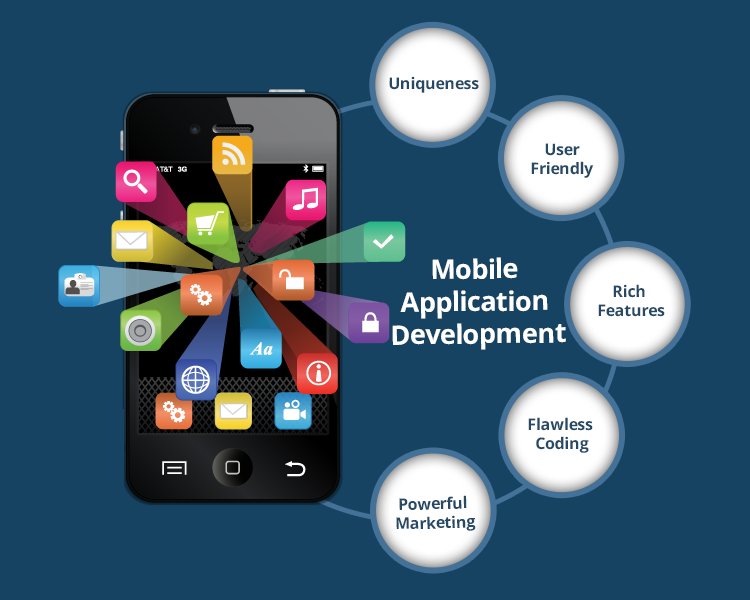
    In an era where mobile technology dominates, having a powerful app is no longer optional—it’s a necessity. Discover how mobile app development can transform customer engagement, strengthen brand presence, and unlock new revenue streams. Partner with TEASER to build innovative, high-performance apps that give your business a competitive edge in the digital marketplace.

    1. The Digital Transformation

    The rapid evolution of technology has reshaped the way businesses operate and interact with customers. Mobile apps have become a fundamental part of digital transformation, enabling companies to offer seamless experiences, enhance customer engagement, and drive revenue growth.

    According to recent statistics, mobile app usage has skyrocketed, with over 90% of internet users accessing services through their smartphones. The global mobile application market is expected to reach $407.31 billion by 2026, emphasizing the need for businesses to invest in mobile app development.


    2. Why Mobile App Development is Crucial in the Digital Age

    In today’s mobile-driven world, businesses must prioritize mobile app development to stay competitive, enhance customer engagement, and drive revenue growth. With billions of smartphone users worldwide, companies without a mobile-first strategy risk losing market share to those offering seamless, user-friendly app experiences. A well-designed mobile application strengthens brand presence, fosters customer loyalty, and creates new monetization opportunities, making it a crucial asset in digital transformation.

    One of the biggest advantages of mobile apps is enhanced customer engagement and retention. Features like push notifications deliver personalized updates, promotions, and reminders, while AI-powered chatbots and in-app messaging provide real-time support. Additionally, personalized recommendations based on user behavior increase interaction, improve user satisfaction, and reduce churn rates.

    A mobile app also serves as a constant brand touchpoint, reinforcing recognition and trust every time a user accesses it. Businesses benefit from increased brand visibility, higher customer loyalty, and a competitive edge in crowded markets. Companies that adopt a mobile-first approach establish stronger emotional connections with users, driving higher conversion rates and brand advocacy.

    Beyond engagement, mobile apps offer unmatched accessibility and user experience, outperforming traditional websites with faster load times, intuitive navigation, and offline functionality. Users enjoy one-tap navigation, personalized dashboards, and integrated mobile payment solutions, ensuring seamless and frictionless interactions. These enhancements lead to lower bounce rates, higher retention, and increased sales.

    From a business perspective, mobile apps unlock diverse revenue streams, including in-app purchases, subscriptions, mobile commerce (m-commerce), and digital advertising. Companies leveraging these monetization models see higher customer lifetime value (CLV), improved market positioning, and sustained growth.

    Investing in mobile app development is no longer optional—it’s the key to scaling business success, boosting customer loyalty, and staying ahead in the digital economy. Businesses that embrace this shift will thrive, while those that ignore it risk falling behind.


    3. Why Choose TEASER for Mobile App Development?

    Choosing the right mobile app development partner is crucial for businesses aiming to build scalable, high-performance applications. TEASER stands out as a leading choice, offering cutting-edge technology, full customization, and a user-centric approach to ensure long-term success.

    TEASER integrates AI-powered recommendations, real-time data analytics, and cloud integration, keeping your app ahead of market trends. Unlike generic solutions, our custom mobile app development process ensures that each application aligns perfectly with your brand identity, target audience, and industry-specific needs.

    A seamless user experience (UX) is at the core of every app we develop. By prioritizing intuitive UI/UX design, we create mobile applications that are visually appealing, easy to navigate, and optimized for user engagement. Additionally, our scalable solutions allow apps to grow alongside your business, ensuring performance and reliability even as user demand increases.

    With TEASER, businesses gain a trusted partner committed to delivering innovative, flexible, and future-ready mobile applications that drive growth and customer satisfaction. 

    4. The Advantages of Mobile Apps in the Digital Era

    As digital transformation accelerates, mobile applications have become an indispensable tool for businesses aiming to enhance customer engagement, streamline operations, and drive sustainable growth. With billions of smartphone users worldwide, companies that invest in mobile app development gain a competitive advantage by offering a seamless, personalized, and efficient user experience. Here are the key benefits of mobile applications in today’s digital landscape.

    Enhanced Customer Engagement and Loyalty

    Mobile apps provide businesses with a direct, uninterrupted channel to connect with customers, ensuring continuous engagement. Unlike traditional websites or social media, mobile apps offer a more personalized experience through:

    • Push notifications that keep users informed about promotions, updates, and personalized offers.
    • In-app messaging and AI-driven chatbots for instant customer support and interaction.
    • Gamification and rewards programs that encourage user participation and long-term engagement.

    By leveraging these features, businesses can significantly improve customer retention rates, increase user satisfaction, and build stronger relationships with their audience.

    Superior User Experience and Convenience

    Unlike mobile websites, which may suffer from slow loading times and limited functionality, mobile apps are designed for optimal performance and seamless navigation. Key advantages include:

    • Faster load times and offline accessibility, ensuring users can access essential features even without an internet connection.
    • Customized user interfaces, tailored to individual preferences for a more intuitive experience.
    • Integration with smartphone features, such as GPS, cameras, and biometric authentication, enhancing security and usability.

    These improvements lead to higher user engagement, lower bounce rates, and increased conversions, making mobile apps a valuable asset for businesses looking to maximize customer satisfaction.

    Strengthening Brand Presence and Competitive Edge

    A mobile application serves as a constant touchpoint between businesses and their customers. With a brand’s app readily available on a user’s smartphone, businesses can:

    • Increase brand recognition and recall, ensuring they remain top-of-mind for consumers.
    • Reinforce brand identity through customized app interfaces, colors, and design elements.
    • Offer exclusive app-only deals and promotions, encouraging customers to choose their platform over competitors.

    Companies that adopt a mobile-first strategy not only differentiate themselves from competitors but also position their brand as an industry leader in innovation and customer-centric solutions.

    Unlocking New Revenue Streams and Business Growth

    Mobile apps provide diverse monetization opportunities that drive business growth and profitability. Some of the most effective revenue models include:

    • In-app purchases that offer premium content or features.
    • Subscription-based models, ensuring recurring revenue from loyal customers.
    • Advertising and affiliate marketing, allowing businesses to generate passive income through strategic partnerships.
    • Mobile commerce (m-commerce) integration, enabling seamless online transactions and increasing sales conversions.

    Companies that successfully leverage mobile applications for revenue generation often experience higher customer lifetime value (CLV), improved sales performance, and long-term scalability.

    Data-Driven Insights for Smarter Business Decisions

    One of the most significant advantages of mobile applications is their ability to collect and analyze real-time user data. Through app analytics, businesses can:

    • Track user behavior, preferences, and engagement patterns.
    • Optimize marketing strategies based on data-driven insights.
    • Personalize user experiences, leading to higher customer satisfaction and retention.

    By utilizing advanced analytics and artificial intelligence, businesses can refine their offerings, predict customer needs, and create hyper-personalized experiences that drive long-term success.

    5. Case Studies of Successful Mobile Apps in Different Industries

    Mobile app development has revolutionized multiple industries, transforming how businesses operate and engage with consumers. From e-commerce and healthcare to education, mobile applications have become essential tools for enhancing user experiences, increasing engagement, and driving revenue growth. Here’s how industry leaders have leveraged mobile technology to dominate their markets.

    In e-commerce, mobile apps have redefined online shopping by offering seamless, personalized experiences. Platforms like Amazon, Shopify, and eBay use AI-driven product recommendations to tailor shopping journeys based on user behavior. One-click checkout and secure payment gateways, including Apple Pay and Google Pay, streamline transactions, while augmented reality (AR) features allow customers to visualize products before purchasing. These innovations have not only boosted customer confidence but also contributed to the rapid growth of mobile commerce, with sales expected to surpass traditional e-commerce in the near future.

    The healthcare sector has embraced mobile apps to expand access to medical services and improve patient care. Platforms such as Teladoc, MyChart, and Practo have set new standards in telemedicine by enabling remote consultations with licensed physicians, reducing the need for in-person visits. AI-powered health tracking allows users to monitor vital signs and medication adherence, while integrated appointment scheduling and electronic health record (EHR) management ensure seamless communication between patients and providers. These advancements have improved patient outcomes, lowered healthcare costs, and enhanced medical service efficiency, making mobile health (mHealth) a vital component of modern healthcare.

    In education, mobile technology has made learning more accessible and engaging. Apps like Coursera, Duolingo, and Udemy use AI-driven personalized learning paths to adapt courses to individual needs, while gamification techniques, such as rewards and interactive exercises, enhance motivation and retention. Offline access to course materials ensures uninterrupted learning, even without an internet connection. By bridging the gap between traditional and digital education, mobile learning has made high-quality education more inclusive and widely available.

    As industries continue to evolve, mobile apps remain at the forefront of innovation, driving business success and reshaping user experiences worldwide.

    6. The Future of Mobile Apps in Business

    The importance of mobile applications will only continue to grow as businesses adapt to an increasingly digital landscape. Companies that invest in mobile app development today will gain a competitive advantage in customer engagement, revenue growth, and operational efficiency.

    By choosing TEASER for mobile app development, businesses ensure that they are equipped with innovative, scalable, and high-performance solutions. Now is the time to embrace the mobile-first approach and leverage the power of mobile applications for business success.

    Ready to transform your business with a powerful mobile application? Contact TEASER today!

  • Top Challenges Solved by IT Staff Augmentation

    Top Challenges Solved by IT Staff Augmentation

    Businesses today face an increasingly complex and competitive landscape, especially when it comes to IT. With rapidly changing technologies, skill shortages, and the need to scale operations on demand, companies are often stretched thin when it comes to managing their IT needs. This is where IT staff augmentation becomes a powerful solution.

    IT staff augmentation is a business model that allows companies to outsource certain IT functions to external experts on a temporary or project basis. By augmenting their existing teams with specialized IT professionals, businesses can overcome many of the challenges that hinder growth, innovation, and efficiency. 


    What is IT Staff Augmentation?

    Before diving into how IT staff augmentation addresses key challenges, it’s important to understand what the term actually means. IT staff augmentation refers to the practice of hiring third-party professionals or contractors to temporarily join a company’s internal team to fulfill specific roles. These roles can include developers, systems administrators, network engineers, or even IT managers, depending on the project or task at hand.

    Staff augmentation is different from traditional outsourcing because it involves supplementing your existing team with external talent, rather than fully outsourcing entire business functions. The augmented professionals work alongside internal employees, bringing their specialized expertise to the table without the long-term commitment of hiring full-time employees.

    This flexible model allows businesses to tap into top-tier talent on demand, scaling their teams up or down based on project requirements, without the overhead costs of permanent hires. For companies struggling with IT challenges, staff augmentation offers a way to fill gaps, accelerate projects, and meet strategic objectives more effectively.


    Top Challenges Solved by IT Staff Augmentation

    As companies grow, they encounter a variety of challenges that can stall progress or put a strain on resources. Whether it’s a shortage of skilled professionals, budget constraints, or the pressure of meeting tight deadlines, IT staff augmentation offers solutions to several key problems.

    1. Talent Shortages and Skill Gaps

    In today’s fast-paced digital world, the demand for specialized IT skills is higher than ever. From cybersecurity to cloud computing, businesses require professionals with deep expertise in specific areas. However, the competition for skilled IT professionals can be fierce, and many companies struggle to find the right talent.

    How IT Staff Augmentation Helps:

    IT staff augmentation provides businesses with the ability to access specialized skills on a temporary or project basis. Rather than spending months recruiting for hard-to-find talent, businesses can hire augmented staff who have the exact skills required for the project at hand. Whether it’s hiring a cloud architect for a cloud migration project or bringing in a developer to work on a specific software upgrade, IT staff augmentation solves the problem of skill gaps.

    By using staff augmentation, businesses can bring in experts with specialized skills without committing to long-term contracts or expensive recruitment processes. This is especially valuable for startups or companies that are scaling quickly and need experts for specific projects, but don’t want the financial burden of hiring full-time employees.

    2. High Hiring Costs and Time-Consuming Recruitment

    Hiring full-time employees is a costly and time-consuming process, especially when it comes to IT professionals. The cost of recruiting, screening, interviewing, and onboarding staff can add up quickly. Additionally, hiring full-time employees comes with a host of hidden costs, such as benefits, office space, and training.

    How IT Staff Augmentation Helps:

    IT staff augmentation allows companies to bypass the lengthy and expensive hiring process. With augmented staff, businesses can have access to qualified professionals within a short time frame, often within days or weeks, depending on the project requirements. This immediate access to talent helps avoid the delays that come with traditional hiring processes.

    Additionally, because augmented staff are typically hired on a temporary or contract basis, businesses don’t have to worry about the costs of long-term employment, such as healthcare benefits, retirement contributions, or paid time off. IT staff augmentation provides a more cost-effective alternative to hiring full-time employees, especially for short-term projects.

    3. Scalability Challenges During Project Demands

    For growing businesses, scalability is often a key challenge. Many IT projects require specific expertise, and the scope or size of the project may fluctuate as the company grows. If a business hires too many in-house employees to handle fluctuating workloads, it may end up with a bloated workforce during slower periods, leading to inefficiencies and increased overhead costs.

    How IT Staff Augmentation Helps:

    One of the most significant advantages of IT staff augmentation is scalability. Staff augmentation allows businesses to scale their workforce up or down as needed, based on project demands. This is particularly helpful for short-term projects or when additional resources are required to meet deadlines or handle specific tasks.

    For example, if a company is launching a new product and needs extra help with website development, they can bring in a temporary front-end developer or web designer without committing to a full-time hire. Once the project is completed, they can reduce the team size, ensuring they only pay for the resources they actually need.

    This flexibility ensures that businesses can manage costs effectively while meeting project requirements, without the burden of maintaining a large, permanent IT team.

    4. Maintaining Project Timelines and Meeting Deadlines

    In a highly competitive environment, businesses often face pressure to deliver projects on time. Whether it’s the development of a new software product, the launch of a website, or the integration of new systems, deadlines must be met to stay ahead of competitors.

    How IT Staff Augmentation Helps:

    IT staff augmentation ensures that projects stay on track and deadlines are met. By augmenting an internal team with external experts, companies can increase their capacity to handle additional tasks and meet demanding timelines. Whether it’s bringing in a software developer, systems administrator, or project manager, augmenting your team with experienced professionals can help ensure that deadlines are met.

    Augmented professionals often bring with them experience in managing similar projects, allowing them to hit the ground running and help accelerate project timelines. With their expertise, businesses can streamline processes, avoid delays, and ensure timely delivery of projects, thus maintaining a competitive edge in the market.

    5. Managing Evolving Technology and Staying Competitive

    The world of technology evolves rapidly, and staying on top of emerging trends is crucial for businesses to maintain their competitive advantage. However, keeping up with new technologies, tools, and platforms can be a challenge, especially for businesses that do not have the in-house expertise to manage these shifts.

    How IT Staff Augmentation Helps:

    By leveraging IT staff augmentation, businesses can tap into the latest technology trends and maintain a competitive edge. For instance, if a company wants to adopt artificial intelligence (AI), machine learning, or blockchain technologies, they can hire experts with the necessary experience to implement these advanced solutions.

    Instead of spending valuable time training in-house employees or waiting for recruitment to fill the expertise gap, businesses can augment their teams with professionals who already possess the expertise needed to adopt and implement new technologies. This helps businesses stay ahead of the curve and ensures that they are always using the most innovative tools to remain competitive in the market.

    6. Reducing Overhead and Operational Costs

    Overhead and operational costs are often a major concern for businesses, especially those in the early stages of growth. The expenses involved in maintaining a permanent IT staff, including salaries, benefits, equipment, and training, can quickly add up.

    How IT Staff Augmentation Helps:

    IT staff augmentation helps businesses reduce these costs by offering a more flexible and cost-effective staffing model. Rather than maintaining a large, permanent IT team, businesses can hire augmented professionals for specific tasks and projects, avoiding the long-term expenses associated with full-time employees.

    By only hiring professionals when needed, businesses can avoid the overhead costs of maintaining a full-time staff, such as office space, insurance, and training programs. This helps reduce operational costs and ensures that businesses are only paying for the expertise and resources they need, when they need them.

    7. Mitigating Burnout and Enhancing Team Productivity

    In-house IT teams are often under pressure to deliver results quickly, which can lead to burnout and decreased productivity. When internal teams are stretched too thin, they can become overwhelmed, leading to errors, delays, and inefficiencies.

    How IT Staff Augmentation Helps:

    By augmenting an IT team with external professionals, businesses can alleviate the workload of existing staff and prevent burnout. Augmented staff can take on specific tasks or provide additional support, allowing the internal team to focus on high-priority objectives.

    This not only helps maintain productivity and morale within the team but also ensures that work is completed more efficiently. With the help of augmented professionals, businesses can improve their overall productivity and avoid the negative effects of employee burnout.


    Additional Benefits of IT Staff Augmentation

    While the primary advantages of IT staff augmentation focus on solving specific challenges, there are also several additional benefits that can help businesses thrive in a competitive landscape.

    1. Faster Time-to-Market

    IT staff augmentation enables companies to accelerate their development processes and get products or services to market faster. By hiring experienced professionals who can hit the ground running, businesses can avoid delays and move through development stages more quickly.

    2. Flexibility in Team Composition

    With IT staff augmentation, businesses have the flexibility to adjust their team composition based on project needs. Whether it’s a sudden increase in demand or the need for specialized skills, businesses can quickly scale their teams to meet requirements.

    3. Improved Focus on Core Business Activities

    By outsourcing specific IT functions through staff augmentation, businesses can focus more on their core operations, such as product development, sales, and customer service. This helps drive business growth and ensures that the company remains competitive.


    How to Choose the Right IT Staff Augmentation Partner

    Choosing the right IT staff augmentation provider is crucial to ensure success. When selecting a provider, consider the following factors:

    • Expertise: Look for a provider with a proven track record in the specific technologies or skills you need.
    • Reputation: Research the provider’s reputation through client reviews, case studies, and industry recognition.
    • Cost-Effectiveness: Ensure that the provider offers competitive pricing without compromising on quality.
    • Cultural Fit: Choose a provider that aligns with your company’s values and work culture.

    IT staff augmentation is an invaluable tool for businesses looking to overcome common IT challenges, including talent shortages, scalability issues, high hiring costs, and project delays. By leveraging augmented professionals, companies can access specialized expertise, reduce overhead costs, and ensure that projects stay on track and deadlines are met. Whether it’s scaling a team to meet demand or implementing emerging technologies, IT staff augmentation provides a flexible, cost-effective solution for businesses looking to thrive in today’s fast-paced digital landscape.

    If your business is facing any of these challenges, IT staff augmentation might be the solution you’ve been looking for. Contact us today to learn how our expert team can help you solve your IT challenges and accelerate your business growth.


    Ready to solve your IT challenges with staff augmentation? Contact us today to discuss how our experts can help your business scale and stay ahead of the competition.