Category: Technology

  • The Role of IT Outsourcing in Agile Development Environments

    The Role of IT Outsourcing in Agile Development Environments

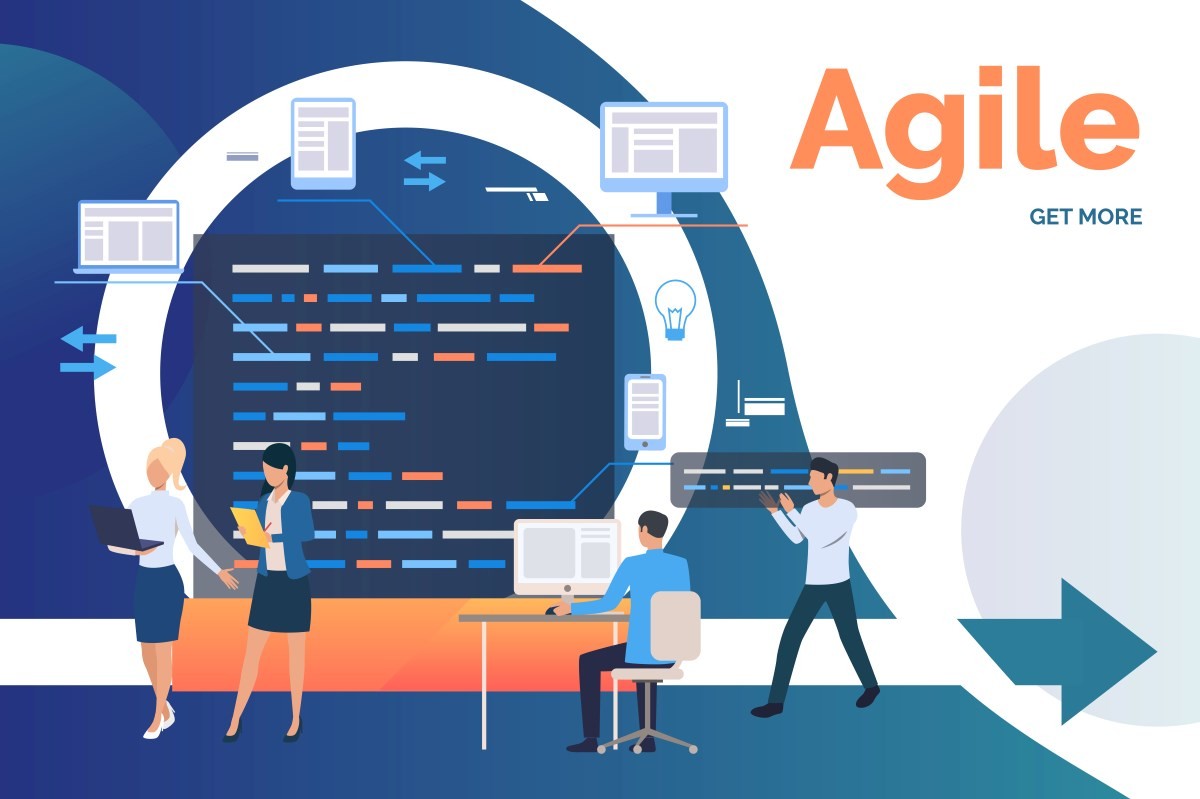
    In today’s fast-paced software industry, Agile development has become the go-to methodology for delivering high-quality products efficiently. However, maintaining an Agile workflow requires skilled resources, rapid iterations, and seamless collaboration—challenges that many businesses struggle with due to limited in-house expertise, budget constraints, or scalability concerns.

    IT Outsourcing Control

    This is where IT outsourcing plays a crucial role. By leveraging external expertise, companies can access a global talent pool, accelerate development cycles, and optimize costs without compromising quality. Outsourcing partners can integrate seamlessly into Agile teams, providing specialized skills, round-the-clock development support, and the flexibility needed to scale operations up or down as project demands shift. Additionally, outsourcing allows businesses to focus on core competencies while delegating complex technical tasks to experienced professionals, ultimately enhancing productivity and innovation.

    In this article, we will explore how IT outsourcing complements Agile development, the benefits it brings to software teams, and best practices for ensuring successful collaboration between in-house and outsourced teams.

    The Importance of Choosing the Right IT Outsourcing Partner

    Selecting the right outsourcing partner is crucial for successfully integrating IT outsourcing into Agile development. A well-matched provider ensures seamless collaboration, maintains development speed, and upholds quality standards. When evaluating potential outsourcing partners, businesses should consider the following key criteria:

    Expertise in Agile Development

    Agile outsourcing requires a deep understanding of Scrum, Kanban, SAFe, and Lean methodologies. The right partner should have a proven track record of working within Agile frameworks, demonstrating their ability to adapt to rapid iterations, continuous delivery, and cross-functional team collaboration. Look for partners who have successfully executed Agile projects across different industries and can provide case studies or client references.

    Transparency in Communication

    Effective Agile collaboration depends on clear, real-time communication. An ideal outsourcing partner should prioritize transparency, using tools like Jira, Trello, Slack, or Microsoft Teams to ensure smooth information flow. They should actively participate in daily stand-ups, sprint planning, and retrospectives, ensuring that both in-house and outsourced teams stay aligned. Additionally, establishing clear KPIs and regular reporting mechanisms helps maintain visibility into project progress and performance.

    Compliance with Security and Legal Standards

    Outsourcing involves sharing sensitive business data, making security and compliance essential. The right partner must follow industry-standard security protocols and comply with regulations such as ISO 27001, GDPR, HIPAA, and SOC 2. NDAs (Non-Disclosure Agreements), robust access control policies, and encrypted communication channels should be in place to safeguard intellectual property and prevent data breaches. Regular security audits and adherence to compliance best practices further enhance trust and risk mitigation.

    Flexibility in Team Scaling

    Agile projects often require dynamic team structures that adjust based on project needs. A reliable outsourcing partner should offer scalable solutions, allowing businesses to quickly expand or reduce team size without long-term commitments. Whether scaling up for a product launch or optimizing resources during a maintenance phase, flexibility is key to ensuring efficiency and cost-effectiveness.

    By carefully selecting an outsourcing partner that meets these criteria, companies can enhance their Agile development capabilities, accelerate product delivery, and maintain high-quality software solutions while optimizing costs.


    How IT Outsourcing Supports Agile Development

    In an Agile environment, where speed, adaptability, and efficiency are paramount, IT outsourcing provides a strategic advantage that enables companies to navigate challenges while maintaining high development standards. By leveraging external expertise, businesses can enhance their Agile workflows in several key ways.

    Access to Specialized Expertise

    Agile development thrives on cross-functional teams with diverse skill sets, from front-end and back-end development to quality assurance, DevOps, and cloud engineering. However, assembling such a team in-house can be time-consuming and costly. Outsourcing allows companies to tap into a vast global talent pool of seasoned professionals who possess specialized knowledge in cutting-edge technologies, frameworks, and Agile best practices. This ensures that businesses can rapidly onboard experts with the precise skill sets needed for each phase of development, accelerating project execution without the delays associated with recruitment and training.

    Scalability & Flexibility

    One of the defining characteristics of Agile is its iterative approach, where project requirements evolve based on continuous feedback. This necessitates a dynamic team structure that can expand or contract depending on workload fluctuations. IT outsourcing provides the flexibility to scale resources up or down effortlessly, ensuring that companies can meet project demands without overcommitting to long-term staffing costs. Whether ramping up a team for a critical product launch or streamlining operations during a maintenance phase, outsourcing ensures optimal resource utilization while maintaining efficiency.

    Faster Development Cycles

    Agile methodologies emphasize rapid iterations and continuous delivery, both of which require a development pipeline that operates seamlessly. Outsourcing to global teams, particularly those in different time zones, enables 24/7 development cycles, where work progresses even outside of standard business hours. This “follow-the-sun” approach significantly reduces turnaround times, accelerates sprint completion, and ensures that new features or updates are delivered to market faster. Additionally, outsourcing partners often bring structured workflows and automation expertise that further streamline development and deployment processes.

    Cost Optimization

    Building and maintaining an in-house Agile team demands substantial financial investment in hiring, training, infrastructure, and employee retention. By outsourcing, companies can eliminate many of these fixed costs and instead operate on a more flexible, pay-as-you-go model. This allows businesses to allocate financial resources toward core product innovation, customer acquisition, and competitive differentiation rather than getting bogged down in operational expenses. Furthermore, outsourcing to regions with favorable labor costs provides an additional layer of financial efficiency without compromising quality.

    Improved Focus on Core Business Goals

    By delegating development, testing, and infrastructure management to a trusted outsourcing partner, internal teams can concentrate on strategic business objectives such as market expansion, customer experience enhancement, and long-term product vision. This division of labor ensures that leadership and key stakeholders are not overwhelmed with technical execution but instead can direct their efforts toward growth, innovation, and sustaining a competitive edge. Additionally, outsourcing partners often bring industry insights and best practices that contribute to overall business strategy, fostering continuous improvement and innovation.

    Ultimately, IT outsourcing serves as a powerful enabler for Agile development, providing the expertise, scalability, speed, cost-efficiency, and focus necessary to drive success in a competitive digital landscape.

    Challenges & Solutions in Agile IT Outsourcing

    While IT outsourcing brings significant advantages to Agile development, it also presents unique challenges that, if not managed effectively, can hinder productivity and collaboration. Below, we explore some common challenges and practical solutions to ensure a seamless Agile outsourcing experience.

    Communication Gaps Due to Time Zones and Cultural Differences

    One of the most common obstacles in Agile outsourcing is communication friction caused by time zone differences and varying cultural workstyles. Misalignment in working hours can lead to delays in feedback loops, while differences in work culture, expectations, and language proficiency may affect collaboration and decision-making.

    Solution:

    To bridge these gaps, organizations should establish clear communication protocols and leverage Agile collaboration tools such as Slack, Microsoft Teams, Jira, and Confluence for real-time updates, task tracking, and asynchronous communication. Additionally, defining overlapping working hours, scheduling regular video meetings, and fostering a culture of transparency can enhance collaboration. Investing in cross-cultural training and setting expectations for responsiveness and work ethics can also improve team dynamics.

    Lack of Control Over Outsourced Teams

    Agile teams rely on continuous collaboration, rapid iterations, and shared ownership of tasks. However, when working with an outsourced team, companies may feel a lack of control over project progress, adherence to Agile principles, or overall accountability.

    Solution:

    To maintain alignment, businesses should establish strong Agile governance by implementing daily stand-ups, sprint planning sessions, retrospectives, and regular progress reviews. Clear key performance indicators (KPIs) and service-level agreements (SLAs) should be set to track performance. Additionally, assigning a dedicated Agile coach or project manager to oversee outsourced teams and facilitate seamless integration with in-house teams can ensure greater visibility and accountability.

    Security and Data Privacy Concerns

    Handling sensitive business data and intellectual property while outsourcing development raises concerns about security breaches, data leaks, and regulatory compliance. Without proper safeguards, outsourcing can pose risks to confidentiality and business integrity.

    Solution:

    To mitigate security risks, companies should partner with outsourcing vendors who adhere to industry-leading security standards such as ISO 27001, GDPR, HIPAA, or SOC 2 compliance. Implementing non-disclosure agreements (NDAs), role-based access controls (RBAC), secure VPNs, and end-to-end encryption can further protect sensitive information. Additionally, conducting regular security audits and providing cybersecurity training for both in-house and outsourced teams can strengthen overall data protection.

    By proactively addressing these challenges with structured solutions, companies can successfully integrate IT outsourcing into Agile workflows, ensuring efficiency, security, and seamless collaboration across distributed teams.

    ChallengeSolution
    Communication gaps due to time zones and cultural differencesUse Agile collaboration tools like Slack, Jira, and Confluence for real-time updates
    Lack of control over outsourced teamsImplement daily stand-ups, sprint planning, and retrospectives to maintain alignment
    Security and data privacy concernsWork with trusted outsourcing partners who follow industry best practices in security and compliance

    Why Choose TEASER for Agile IT Outsourcing?

    TEASER is a trusted IT outsourcing partner, providing Agile-centric teams, rapid scalability, and seamless integration into your development process. Our expertise in Scrum, Kanban, SAFe, DevOps, and CI/CD ensures faster, high-quality software delivery.

    Agile-Centric Teams & Rapid Scaling

    Our dedicated teams are trained in Agile best practices, allowing for smooth collaboration and quick adaptation to evolving project needs. With on-demand scalability, you can easily adjust team size without long-term commitments.

    DevOps & CI/CD Integration

    We streamline Agile workflows with automated testing, CI/CD pipelines, and DevOps practices, enabling faster releases and improved software quality.

    Transparent Collaboration & Security

    TEASER ensures real-time communication through tools like Jira, Trello, and Slack, keeping teams aligned. We prioritize data security with compliance to ISO 27001, GDPR, and SOC 2, safeguarding your intellectual property.

    Get Started with TEASER

    Enhance your Agile development with cost-effective, scalable, and high-quality outsourcing. Contact us today to accelerate your projects!
  • Best Practices for Protecting Intellectual Property in Outsourcing

    Best Practices for Protecting Intellectual Property in Outsourcing

    Outsourcing provides businesses with access to specialized expertise, reduces operational costs, and accelerates product development. However, while outsourcing offers numerous benefits, it also introduces significant risks, particularly regarding intellectual property (IP) protection.

    Without proper safeguards, companies may face challenges such as data breaches, unauthorized use of proprietary assets, or even loss of exclusive rights to innovations. Sensitive information, trade secrets, patents, copyrights, and trademarks are all at risk if not adequately protected.

    To mitigate these risks, businesses must implement robust legal agreements, enforce strict security protocols, and collaborate with trusted partners who adhere to industry best practices in IP protection. By taking proactive steps, organizations can safeguard their intellectual assets while leveraging the advantages of outsourcing.

    Understanding Intellectual Property Risks in Outsourcing

    Outsourcing offers efficiency and cost savings, but it also presents significant intellectual property (IP) risks that can jeopardize confidential data, competitive advantage, and business sustainability. Without proper safeguards, companies may face unauthorized data use, legal disputes, or even loss of proprietary assets.

    A key concern is the unauthorized use or disclosure of sensitive information. Weak confidentiality agreements or outsourcing to jurisdictions with poor IP enforcement can lead to data leaks, allowing competitors access to critical business insights. Strong Non-Disclosure Agreements (NDAs) and well-defined contractual terms are essential to prevent misuse.

    Another major risk is losing ownership of intellectual property. Vague contracts can create disputes over software code, patents, or product designs. Businesses must clearly define ownership rights in contracts, ensuring they retain full control over all deliverables. Additionally, copyright infringement can arise if vendors reuse proprietary code or integrate unlicensed materials, leading to legal and financial consequences. Conducting thorough vendor audits and ensuring compliance with copyright laws help mitigate this risk.

    Security vulnerabilities further compound IP risks. Weak cybersecurity measures at an outsourcing provider can expose sensitive data to hacking, insider threats, or data breaches. Enforcing strict security protocols, including encryption, access controls, and compliance with international security standards (e.g., ISO 27001), is crucial for safeguarding intellectual assets.

    By proactively addressing these risks with strong legal agreements, rigorous vendor screening, and robust security measures, businesses can maximize outsourcing benefits while protecting their most valuable intellectual property.

    Establishing Clear Ownership Through Contracts

    A well-structured outsourcing contract is the foundation of intellectual property protection. The contract must explicitly outline ownership of all source code, patents, trademarks, and any other proprietary assets developed during the partnership. A critical aspect of contract drafting is including non-compete clauses to prevent vendors from leveraging your intellectual property for competitors or launching similar products on their own. Additionally, termination clauses should specify how sensitive data will be returned or destroyed at the conclusion of the contract.

    Ensuring legal clarity in outsourcing contracts reduces ambiguity and safeguards businesses from potential exploitation. Companies should collaborate with experienced legal professionals to draft comprehensive agreements that leave no room for misinterpretation. Investing in legal due diligence upfront can prevent costly litigation and protect long-term business interests.

    Implementing Strong Non-Disclosure Agreements (NDAs)

    A well-structured outsourcing contract is the cornerstone of intellectual property protection, serving as the legal framework that defines ownership rights and prevents potential disputes. Without precise contractual language, businesses risk losing control over proprietary assets, including source code, patents, trademarks, trade secrets, and other intellectual property developed during the collaboration.

    To ensure airtight ownership provisions, contracts must explicitly state that all work produced by the outsourcing partner is the sole property of the hiring company. This is especially critical in software development, where ambiguities regarding authorship and licensing can lead to costly legal battles. The inclusion of “work-for-hire” clauses reinforces this by making it clear that any intellectual property created under the contract is automatically assigned to the client, eliminating any claims of shared or residual ownership by the vendor.

    Beyond ownership, contracts should also incorporate robust non-compete and non-solicitation clauses. These provisions prevent vendors from repurposing proprietary knowledge, algorithms, or trade secrets for competitors or their own ventures. Without such safeguards, an outsourcing partner could leverage industry insights gained from the project to develop competing products or offer similar services to rival businesses, undermining the competitive advantage of the original IP owner.

    Termination clauses play an equally crucial role in protecting intellectual property. The contract should clearly specify the procedures for handling sensitive data, ensuring that upon project completion or contract termination, all proprietary information is either securely returned or permanently destroyed. Without well-defined exit terms, businesses risk losing control over their confidential data, which may remain on the vendor’s servers or be reused in unauthorized ways.

    Given the complexity of IP law and the risks associated with outsourcing, companies should engage experienced legal professionals to draft and review contracts. A carefully crafted agreement reduces ambiguity, strengthens enforceability, and minimizes the likelihood of disputes. Investing in legal due diligence at the outset not only safeguards intellectual assets but also ensures long-term business sustainability by preventing potential exploitation and costly litigation down the road.

    Strengthening Security with Controlled Access Measures

    When outsourcing, minimizing data exposure is critical to protecting intellectual property and maintaining business integrity. Without robust security controls, sensitive information can be vulnerable to unauthorized access, insider threats, and external cyberattacks. Implementing well-structured access management strategies helps mitigate these risks by ensuring that only authorized personnel can interact with critical data and systems.

    A fundamental approach to controlled access is Role-Based Access Control (RBAC), which restricts system access based on an individual’s job function. By granting employees and outsourcing partners only the minimum level of access necessary for their tasks, businesses can reduce the risk of accidental data leaks or intentional misuse. This principle, known as the principle of least privilege (PoLP), ensures that confidential data is not needlessly exposed to individuals who do not require it.

    Continuous monitoring of data access logs is equally important in maintaining security. Detailed access logs allow businesses to track who is interacting with sensitive files, when, and for what purpose. Proactive monitoring helps detect anomalies, such as unauthorized login attempts or unusual data transfer patterns, enabling organizations to respond swiftly to potential security breaches.

    Beyond access controls, encryption plays a vital role in safeguarding proprietary data. Encrypting information both in transit and at rest ensures that even if data is intercepted, it remains unreadable without the appropriate decryption keys. Secure encryption protocols, such as AES-256 and TLS (Transport Layer Security), are industry standards that provide strong protection against cyber threats.

    Multi-factor authentication (MFA) adds another layer of defense by requiring users to verify their identity through multiple authentication methods, such as passwords combined with biometric scans or one-time passcodes. This extra security step significantly reduces the risk of unauthorized access, especially when outsourcing partners are working remotely or across different geographical locations.

    Secure communication channels are also essential for protecting sensitive discussions and file exchanges between in-house teams and outsourcing vendors. Utilizing encrypted messaging applications, Virtual Private Networks (VPNs), and secure collaboration platforms ensures that confidential information is not intercepted during transmission. Without these safeguards, unprotected communication channels can become entry points for cybercriminals looking to exploit security weaknesses.

    A security-first mindset must be ingrained in an organization’s outsourcing strategy. By implementing strict access controls, continuously monitoring data interactions, enforcing encryption standards, and securing communication channels, businesses can significantly reduce the risks associated with external partnerships. In an era where cyber threats are increasingly sophisticated, a proactive approach to security is essential to preserving intellectual property and maintaining trust in outsourcing relationships.

    Selecting Vendors with Strong Security and Compliance Policies

    Choosing the right outsourcing partner is fundamental to ensuring intellectual property security. Businesses should conduct thorough due diligence before engaging with vendors, assessing their security protocols, compliance with international standards, and history of data protection. Certifications such as ISO 27001 and compliance with GDPR and HIPAA regulations are strong indicators of a vendor’s commitment to security.

    Transparency in how vendors manage confidential data is equally crucial. Organizations should request detailed documentation on internal policies, employee background checks, and encryption practices. Regular security audits should be mandated to ensure the vendor continues to meet evolving security requirements.

    By collaborating with vendors who prioritize data protection, businesses can establish long-term, trust-based outsourcing relationships.

    Continuous Auditing and Monitoring of Outsourcing Arrangements

    Regular security audits are essential for maintaining a secure outsourcing partnership. Conducting frequent assessments allows businesses to identify vulnerabilities and address them before they lead to security breaches. Companies should implement automated monitoring tools that provide real-time insights into project progress, data access patterns, and potential anomalies.

    Beyond technical monitoring, businesses must ensure that outsourced teams adhere to ethical software development practices. Regular code reviews help verify compliance with licensing agreements and prevent the unintentional use of copyrighted materials. By fostering a culture of accountability, companies can reduce risks associated with outsourcing intellectual property-sensitive projects.

    Case Study: How a Startup Safeguarded Its IP with TEASER

    A U.S.-based startup sought to develop a proprietary mobile app but had concerns about intellectual property security when outsourcing. By partnering with TEASER, the startup implemented a secure development environment that included restricted access to proprietary information, encrypted communication channels, and legally binding agreements ensuring complete IP ownership.

    Throughout the development process, TEASER provided real-time monitoring and periodic security audits, reinforcing confidence in the partnership. As a result, the startup successfully launched its product while maintaining full control over its intellectual property.


    Why TEASER is the Best Choice for Intellectual Property Protection in Outsourcing

    TEASER is committed to protecting clients’ intellectual property with legally binding agreements, rigorous security protocols, and a transparent development process. Our contracts ensure 100% IP ownership, leaving no room for ambiguity regarding proprietary rights.

    We adhere to internationally recognized security frameworks. Our encrypted communication and multi-factor authentication measures further reinforce security.

    TEASER also provides clients with full visibility into project progress through real-time monitoring dashboards. Regular security audits help identify and mitigate risks proactively. Additionally, we build dedicated teams tailored to each client’s needs, ensuring restricted access to sensitive information and preventing unauthorized third-party sharing.

    Secure Your Intellectual Property with TEASER Today!

    Outsourcing should be a strategic advantage, not a security risk. With TEASER as your trusted IT outsourcing partner, you can innovate confidently while safeguarding your intellectual property.

    📩 Contact us today to learn how we can help protect your business while delivering world-class outsourcing solutions!

  • Top Challenges Solved by IT Staff Augmentation

    Top Challenges Solved by IT Staff Augmentation

    Businesses today face an increasingly complex and competitive landscape, especially when it comes to IT. With rapidly changing technologies, skill shortages, and the need to scale operations on demand, companies are often stretched thin when it comes to managing their IT needs. This is where IT staff augmentation becomes a powerful solution.

    IT staff augmentation is a business model that allows companies to outsource certain IT functions to external experts on a temporary or project basis. By augmenting their existing teams with specialized IT professionals, businesses can overcome many of the challenges that hinder growth, innovation, and efficiency. 


    What is IT Staff Augmentation?

    Before diving into how IT staff augmentation addresses key challenges, it’s important to understand what the term actually means. IT staff augmentation refers to the practice of hiring third-party professionals or contractors to temporarily join a company’s internal team to fulfill specific roles. These roles can include developers, systems administrators, network engineers, or even IT managers, depending on the project or task at hand.

    Staff augmentation is different from traditional outsourcing because it involves supplementing your existing team with external talent, rather than fully outsourcing entire business functions. The augmented professionals work alongside internal employees, bringing their specialized expertise to the table without the long-term commitment of hiring full-time employees.

    This flexible model allows businesses to tap into top-tier talent on demand, scaling their teams up or down based on project requirements, without the overhead costs of permanent hires. For companies struggling with IT challenges, staff augmentation offers a way to fill gaps, accelerate projects, and meet strategic objectives more effectively.


    Top Challenges Solved by IT Staff Augmentation

    As companies grow, they encounter a variety of challenges that can stall progress or put a strain on resources. Whether it’s a shortage of skilled professionals, budget constraints, or the pressure of meeting tight deadlines, IT staff augmentation offers solutions to several key problems.

    1. Talent Shortages and Skill Gaps

    In today’s fast-paced digital world, the demand for specialized IT skills is higher than ever. From cybersecurity to cloud computing, businesses require professionals with deep expertise in specific areas. However, the competition for skilled IT professionals can be fierce, and many companies struggle to find the right talent.

    How IT Staff Augmentation Helps:

    IT staff augmentation provides businesses with the ability to access specialized skills on a temporary or project basis. Rather than spending months recruiting for hard-to-find talent, businesses can hire augmented staff who have the exact skills required for the project at hand. Whether it’s hiring a cloud architect for a cloud migration project or bringing in a developer to work on a specific software upgrade, IT staff augmentation solves the problem of skill gaps.

    By using staff augmentation, businesses can bring in experts with specialized skills without committing to long-term contracts or expensive recruitment processes. This is especially valuable for startups or companies that are scaling quickly and need experts for specific projects, but don’t want the financial burden of hiring full-time employees.

    2. High Hiring Costs and Time-Consuming Recruitment

    Hiring full-time employees is a costly and time-consuming process, especially when it comes to IT professionals. The cost of recruiting, screening, interviewing, and onboarding staff can add up quickly. Additionally, hiring full-time employees comes with a host of hidden costs, such as benefits, office space, and training.

    How IT Staff Augmentation Helps:

    IT staff augmentation allows companies to bypass the lengthy and expensive hiring process. With augmented staff, businesses can have access to qualified professionals within a short time frame, often within days or weeks, depending on the project requirements. This immediate access to talent helps avoid the delays that come with traditional hiring processes.

    Additionally, because augmented staff are typically hired on a temporary or contract basis, businesses don’t have to worry about the costs of long-term employment, such as healthcare benefits, retirement contributions, or paid time off. IT staff augmentation provides a more cost-effective alternative to hiring full-time employees, especially for short-term projects.

    3. Scalability Challenges During Project Demands

    For growing businesses, scalability is often a key challenge. Many IT projects require specific expertise, and the scope or size of the project may fluctuate as the company grows. If a business hires too many in-house employees to handle fluctuating workloads, it may end up with a bloated workforce during slower periods, leading to inefficiencies and increased overhead costs.

    How IT Staff Augmentation Helps:

    One of the most significant advantages of IT staff augmentation is scalability. Staff augmentation allows businesses to scale their workforce up or down as needed, based on project demands. This is particularly helpful for short-term projects or when additional resources are required to meet deadlines or handle specific tasks.

    For example, if a company is launching a new product and needs extra help with website development, they can bring in a temporary front-end developer or web designer without committing to a full-time hire. Once the project is completed, they can reduce the team size, ensuring they only pay for the resources they actually need.

    This flexibility ensures that businesses can manage costs effectively while meeting project requirements, without the burden of maintaining a large, permanent IT team.

    4. Maintaining Project Timelines and Meeting Deadlines

    In a highly competitive environment, businesses often face pressure to deliver projects on time. Whether it’s the development of a new software product, the launch of a website, or the integration of new systems, deadlines must be met to stay ahead of competitors.

    How IT Staff Augmentation Helps:

    IT staff augmentation ensures that projects stay on track and deadlines are met. By augmenting an internal team with external experts, companies can increase their capacity to handle additional tasks and meet demanding timelines. Whether it’s bringing in a software developer, systems administrator, or project manager, augmenting your team with experienced professionals can help ensure that deadlines are met.

    Augmented professionals often bring with them experience in managing similar projects, allowing them to hit the ground running and help accelerate project timelines. With their expertise, businesses can streamline processes, avoid delays, and ensure timely delivery of projects, thus maintaining a competitive edge in the market.

    5. Managing Evolving Technology and Staying Competitive

    The world of technology evolves rapidly, and staying on top of emerging trends is crucial for businesses to maintain their competitive advantage. However, keeping up with new technologies, tools, and platforms can be a challenge, especially for businesses that do not have the in-house expertise to manage these shifts.

    How IT Staff Augmentation Helps:

    By leveraging IT staff augmentation, businesses can tap into the latest technology trends and maintain a competitive edge. For instance, if a company wants to adopt artificial intelligence (AI), machine learning, or blockchain technologies, they can hire experts with the necessary experience to implement these advanced solutions.

    Instead of spending valuable time training in-house employees or waiting for recruitment to fill the expertise gap, businesses can augment their teams with professionals who already possess the expertise needed to adopt and implement new technologies. This helps businesses stay ahead of the curve and ensures that they are always using the most innovative tools to remain competitive in the market.

    6. Reducing Overhead and Operational Costs

    Overhead and operational costs are often a major concern for businesses, especially those in the early stages of growth. The expenses involved in maintaining a permanent IT staff, including salaries, benefits, equipment, and training, can quickly add up.

    How IT Staff Augmentation Helps:

    IT staff augmentation helps businesses reduce these costs by offering a more flexible and cost-effective staffing model. Rather than maintaining a large, permanent IT team, businesses can hire augmented professionals for specific tasks and projects, avoiding the long-term expenses associated with full-time employees.

    By only hiring professionals when needed, businesses can avoid the overhead costs of maintaining a full-time staff, such as office space, insurance, and training programs. This helps reduce operational costs and ensures that businesses are only paying for the expertise and resources they need, when they need them.

    7. Mitigating Burnout and Enhancing Team Productivity

    In-house IT teams are often under pressure to deliver results quickly, which can lead to burnout and decreased productivity. When internal teams are stretched too thin, they can become overwhelmed, leading to errors, delays, and inefficiencies.

    How IT Staff Augmentation Helps:

    By augmenting an IT team with external professionals, businesses can alleviate the workload of existing staff and prevent burnout. Augmented staff can take on specific tasks or provide additional support, allowing the internal team to focus on high-priority objectives.

    This not only helps maintain productivity and morale within the team but also ensures that work is completed more efficiently. With the help of augmented professionals, businesses can improve their overall productivity and avoid the negative effects of employee burnout.


    Additional Benefits of IT Staff Augmentation

    While the primary advantages of IT staff augmentation focus on solving specific challenges, there are also several additional benefits that can help businesses thrive in a competitive landscape.

    1. Faster Time-to-Market

    IT staff augmentation enables companies to accelerate their development processes and get products or services to market faster. By hiring experienced professionals who can hit the ground running, businesses can avoid delays and move through development stages more quickly.

    2. Flexibility in Team Composition

    With IT staff augmentation, businesses have the flexibility to adjust their team composition based on project needs. Whether it’s a sudden increase in demand or the need for specialized skills, businesses can quickly scale their teams to meet requirements.

    3. Improved Focus on Core Business Activities

    By outsourcing specific IT functions through staff augmentation, businesses can focus more on their core operations, such as product development, sales, and customer service. This helps drive business growth and ensures that the company remains competitive.


    How to Choose the Right IT Staff Augmentation Partner

    Choosing the right IT staff augmentation provider is crucial to ensure success. When selecting a provider, consider the following factors:

    • Expertise: Look for a provider with a proven track record in the specific technologies or skills you need.
    • Reputation: Research the provider’s reputation through client reviews, case studies, and industry recognition.
    • Cost-Effectiveness: Ensure that the provider offers competitive pricing without compromising on quality.
    • Cultural Fit: Choose a provider that aligns with your company’s values and work culture.

    IT staff augmentation is an invaluable tool for businesses looking to overcome common IT challenges, including talent shortages, scalability issues, high hiring costs, and project delays. By leveraging augmented professionals, companies can access specialized expertise, reduce overhead costs, and ensure that projects stay on track and deadlines are met. Whether it’s scaling a team to meet demand or implementing emerging technologies, IT staff augmentation provides a flexible, cost-effective solution for businesses looking to thrive in today’s fast-paced digital landscape.

    If your business is facing any of these challenges, IT staff augmentation might be the solution you’ve been looking for. Contact us today to learn how our expert team can help you solve your IT challenges and accelerate your business growth.


    Ready to solve your IT challenges with staff augmentation? Contact us today to discuss how our experts can help your business scale and stay ahead of the competition.

  • Outsourcing vs. Offshoring: Which fits your company’s needs?

    Outsourcing vs. Offshoring: Which fits your company’s needs?

    In today’s globalized business world, companies constantly look for ways to optimize operations, cut costs, and boost efficiency. Outsourcing and offshoring are two popular strategies businesses often use for these purposes. While they may sound similar, the two approaches have distinct characteristics and can affect business operations in different ways. Understanding the nuances of outsourcing and offshoring is critical for companies that want to make the right strategic choices for long-term success.

    1. Introduction: The Growing Need for Strategic Operations

    The terms “outsourcing” and “offshoring” are often used interchangeably in business discussions, but they actually represent different strategies. Outsourcing involves delegating certain functions to third-party service providers, whereas offshoring involves moving business operations to a different country. Both approaches have become integral to modern business operations due to their potential to reduce costs and improve efficiency.

    In an increasingly interconnected world, it is essential to differentiate between outsourcing and offshoring to make informed decisions about where to invest resources and which operational strategies will work best for your company’s specific needs. Each strategy has its strengths and challenges, and understanding these differences is key to leveraging them effectively.

    2. Defining Outsourcing: Leveraging External Expertise

    Outsourcing is the practice of hiring an external party to perform specific tasks or functions that could be handled in-house. Rather than managing all aspects of operations internally, companies can partner with third-party providers who specialize in particular services. This allows businesses to offload tasks like customer service, IT support, payroll, and marketing to experts who have the necessary skills and resources to perform them efficiently.

    One of the most attractive aspects of outsourcing is the ability to access specialized expertise without the need to hire and train employees. Whether it’s outsourcing customer service to a call center or IT support to a managed services provider, outsourcing provides a cost-effective way to scale services as needed. In many cases, outsourcing allows businesses to focus on their core competencies—such as product development or strategic initiatives—while letting external providers handle non-core but necessary functions.

    Outsourcing is also flexible, as companies can choose to outsource specific tasks or entire departments. It can be done domestically or internationally, which gives businesses a broad range of options when it comes to selecting a provider.

    3. Defining Offshoring: Cost-Effective Global Expansion

    Offshoring, in contrast, involves relocating certain business operations to another country, often to take advantage of lower labor costs or to tap into emerging markets. This strategy is often seen in industries such as manufacturing, IT, and customer service. A company might choose to open a manufacturing facility in another country where wages are lower, or it might establish a software development team in a region with a high concentration of skilled engineers but at a fraction of the cost of hiring locally.

    Offshoring can significantly reduce labor costs, making it an appealing option for companies that rely on high-volume, labor-intensive operations. But offshoring also allows companies to expand their reach by entering new markets, which can create new revenue opportunities. For example, setting up customer service operations in a country with a growing middle class could offer companies the ability to serve a new demographic of consumers.

    However, offshoring does present challenges, particularly around logistics, cultural differences, and time zone issues. While offshoring offers clear cost benefits, companies must also consider the regulatory environment, local labor laws, and political stability in the country where they plan to relocate operations.

    4. Key Differences Between Outsourcing and Offshoring: Location, Control, and Risk

    The most fundamental difference between outsourcing and offshoring lies in the location and structure of the operations. Outsourcing refers to contracting a third-party provider, which could be either domestically or internationally based. Offshoring, on the other hand, refers specifically to moving operations to another country.

    Location Focus:

    Outsourcing can occur domestically or abroad. For example, a U.S.-based company might outsource customer support to a provider in Canada, or a European company might choose to work with a vendor in India. Offshoring, however, specifically refers to moving operations overseas, usually to countries with lower labor costs, such as India, Vietnam, or Mexico.

    Control and Management:

    Outsourcing typically means working with external partners who handle operations, allowing businesses to focus on their core functions. While outsourcing partners are often managed through service-level agreements (SLAs), the control is limited in comparison to managing operations in-house. Offshoring, however, can involve maintaining direct control over operations in a foreign country. This might involve establishing a local office, building teams, and having more oversight, but it also means navigating the complexities of managing employees across borders.

    Risk Factors:

    With outsourcing, companies may encounter risks related to communication, quality control, or data security, especially if the outsourcing provider is in a different country with a different business culture. Offshoring, however, adds an additional layer of risk, such as geopolitical instability, currency fluctuations, regulatory changes, and differing labor laws. While offshoring can offer tremendous cost savings, these risks need to be carefully evaluated and mitigated.

    5. When to Choose Outsourcing or Offshoring: Key Considerations

    Choosing between outsourcing and offshoring depends on the specific needs of the business. A company might decide to outsource certain tasks to focus on strategic goals, or it might offshore operations to save on labor costs and access new markets.

    Cost Considerations:

    Outsourcing may be more cost-effective for businesses that need specialized skills but don’t want to maintain a full-time workforce. For example, outsourcing software development or IT support allows a company to tap into expertise without the ongoing costs of hiring and training internal staff.

    On the other hand, offshoring is often used when labor cost reduction is a primary objective. By relocating operations to countries with lower wages, businesses can significantly reduce production costs and improve margins.

    Quality Control and Expertise:

    If quality is paramount, outsourcing may provide the best balance of cost savings and oversight. Since outsourcing can be done domestically or internationally, businesses can find service providers with the specific skills and expertise they need.

    If a company is looking for a more hands-on approach with control over operations, offshoring might be a better fit. However, businesses must be prepared for the complexities of managing remote teams and overcoming cultural and logistical challenges.

    6.Business Objectives and Strategy Alignment

    When deciding between outsourcing and offshoring, it’s crucial to align the decision with your business objectives. Outsourcing can help streamline operations by delegating tasks to specialized providers, allowing you to focus on core activities. Offshoring, on the other hand, is a strategic move to reduce costs and expand your global presence by relocating operations to countries with lower expenses.

    To determine the best approach, evaluate what fits your business needs. For example, a tech company requiring specific expertise may opt for outsourcing, while a manufacturing firm aiming to lower production costs might consider offshoring. Assess your business requirements to make the most informed choice.

    Resource and Skill Requirements

    Think about the resources and skills necessary for outsourcing or offshoring. For outsourcing, ensure you select providers with the expertise your company requires. For offshoring, consider the availability of skilled labor and the resources needed to set up operations in another country.

    Choose partners who can handle the complexity of your project. If you have specialized or complex tasks, seek providers with a strong track record. In offshoring, make sure your team has the necessary skills and resources to meet quality standards.

    Regulatory and Compliance Considerations

    Both outsourcing and offshoring require compliance with local laws. In outsourcing, make sure contracts include data protection and legal obligations. In offshoring, understand and navigate local laws and regulations, including labor and tax requirements.

    Implement robust data protection measures to safeguard information across global operations. Ensure that both outsourcing providers and offshore teams meet data security standards. Regular assessments and training can help maintain compliance and mitigate the risk of breaches.

    By considering these factors, businesses can make informed decisions about outsourcing and offshoring that align with their objectives, resource needs, and compliance requirements. This approach will help leverage the advantages of both strategies while managing potential risks.

    7. Looking for an Outsourcing Partner?

    Outsourcing and offshoring are essential strategies for businesses looking to improve efficiency and leverage resources outside their core competencies. The key is the ability to navigate these dynamics and tap into global talent pools. Therefore, finding the right outsourcing partner becomes crucial in such an environment.

    Among the leading players in the outsourcing services field, Teaser stands out as a trusted partner. With a wealth of experience and in-depth knowledge across various industries, Teaser helps businesses meet their strategic objectives. When you consult Teaser, you gain access to a wide range of industry-specific IT services, including IT support, software development, and customer relations management.

    Partner with Teaser to outsource your needs and take your business to the next level of operational efficiency, ensuring you meet your goals and objectives.

  • How IT Outsourcing Reduces Costs for Startups

    How IT Outsourcing Reduces Costs for Startups

    Starting a business is no easy feat, and for startups, managing costs while trying to grow and scale quickly can feel like walking a tightrope. Every dollar counts, and any inefficiency can make a huge difference in long-term sustainability. One area where many startups are turning to for cost-saving solutions is IT outsourcing. Outsourcing IT services has proven to be a strategic move that not only helps startups save money but also provides access to specialized expertise and scalable solutions.


    What is IT Outsourcing?

    Before diving into the specifics of how IT outsourcing can reduce costs, let’s first define what it is. IT outsourcing involves delegating specific IT functions and tasks—such as software development, technical support, cloud computing, and network management—to third-party service providers. Rather than hiring full-time, in-house staff to handle these tasks, startups can partner with external IT service providers who specialize in these areas.

    IT outsourcing has grown in popularity due to its many benefits, including cost savings, access to global talent, and the ability to scale operations quickly. For startups, outsourcing IT functions allows them to leverage the latest technology and expertise without the overhead costs associated with managing an in-house team.

    Key Ways IT Outsourcing Reduces Costs for Startups

    Startups face a myriad of challenges, but one of the most significant hurdles is cost management. Fortunately, IT outsourcing can provide substantial cost-saving benefits across various areas. Let’s take a closer look at the specific ways outsourcing IT functions can help startups reduce their expenses.

    1. Eliminates the Need for an In-House IT Team

    One of the most significant financial burdens for any business is the cost of hiring and maintaining a full-time, in-house IT team. The expenses involved in recruiting, training, and compensating IT professionals can quickly add up. For startups that are still trying to establish themselves, this can be a substantial drain on resources.

    By outsourcing IT services, startups can eliminate the need for hiring full-time employees dedicated solely to IT functions. Instead, they can rely on a third-party provider to handle IT operations. This reduces labor costs, including salaries, benefits, and other employee-related expenses. With IT outsourcing, you only pay for the services you need, and you’re not tied to long-term contracts or overhead costs like office space and equipment.

    With an outsourced IT provider, startups can access high-quality support without having to manage a full-fledged in-house IT department. This flexibility allows startups to allocate resources more efficiently and focus on growing their core business.

    2. Reduces Operational Expenses

    Operational expenses are a major concern for startups, particularly in the early stages. Startups need to invest heavily in product development, marketing, and sales while managing day-to-day operations. Outsourcing IT functions can significantly reduce these operational costs.

    For example, by outsourcing to a third-party IT provider, startups can avoid costly investments in IT infrastructure such as servers, software, and hardware. Instead, they can leverage cloud-based services and other cost-effective solutions offered by their outsourcing partner. These cloud solutions often come with pay-as-you-go models, which means startups only pay for what they use, eliminating the need to make large upfront investments.

    Additionally, outsourcing companies typically provide maintenance and support as part of the service, reducing the cost of maintaining hardware and software on-site. This not only cuts costs but also ensures that startups are always using the latest technology without additional expenses.

    3. Scalable Solutions for Growing Startups

    Startups are dynamic, often requiring IT solutions that can scale as the business grows. Scaling operations internally can be costly and time-consuming, especially when it comes to IT infrastructure. Hiring new employees, expanding hardware, and upgrading software can require significant upfront investments.

    IT outsourcing offers scalable solutions that allow startups to grow without incurring these heavy costs. As a startup expands, its IT needs will inevitably evolve, and outsourcing provides the flexibility to adjust resources quickly and efficiently. Whether it’s scaling up cloud storage, adding new software tools, or upgrading to more advanced technology, outsourcing ensures that startups only pay for the resources they need, when they need them.

    This scalability also allows startups to avoid overcommitting to long-term IT investments that may not be necessary as the business fluctuates. The ability to scale operations up or down ensures that startups can adapt to changing business needs without financial strain.

    4. Access to Expertise Without the High Price Tag

    Another cost-saving advantage of IT outsourcing is the access to specialized expertise. Building an in-house IT team with the necessary skills and experience can be expensive, especially for startups operating with limited budgets. Finding qualified IT professionals, particularly those with expertise in areas such as cybersecurity, software development, and data analytics, can be challenging and costly.

    By outsourcing IT functions, startups gain access to a wide range of highly skilled professionals at a fraction of the cost of hiring full-time employees. Outsourcing providers typically employ specialists in various fields, allowing startups to tap into this expertise without the need for expensive recruitment or training. This also means that startups are less likely to face costly mistakes or inefficiencies due to a lack of experience in complex IT tasks.

    Moreover, because IT outsourcing companies work with multiple clients, they often have access to cutting-edge technology and tools that would be out of reach for startups on their own. This allows startups to benefit from innovation without having to make hefty investments in new technologies.

    5. Focus on Core Business Activities

    For a startup, focusing on core business activities is essential for growth and success. Managing IT operations in-house can take up valuable time and resources that could be better spent on product development, sales, marketing, and customer acquisition. IT outsourcing helps alleviate this burden by allowing startups to focus on what they do best while leaving the IT complexities to external experts.

    With IT outsourcing, startup founders and teams no longer need to worry about handling IT tasks themselves or dealing with issues like server outages or software bugs. They can focus on innovation, expanding their customer base, and refining their products, all while knowing that their IT infrastructure is in the hands of reliable professionals.

    This shift in focus not only helps reduce stress but also promotes business growth. Startups that outsource IT services can remain agile and responsive to market changes, all while leveraging IT solutions that support their long-term vision.


    Benefits Beyond Cost Reduction

    While cost savings are a major reason for outsourcing IT services, there are additional advantages that can help startups thrive in a competitive market. Let’s take a look at some of the other benefits of IT outsourcing.

    1. Faster Time-to-Market

    In today’s fast-paced business environment, time-to-market can make or break a startup. The ability to bring a product or service to market quickly is essential for gaining a competitive edge. IT outsourcing can significantly accelerate development cycles by providing startups with access to skilled teams who can handle IT tasks more efficiently.

    Whether it’s speeding up software development, managing infrastructure, or implementing new systems, outsourcing allows startups to focus on innovation while experienced IT professionals handle the technical side. This helps reduce delays, improve efficiency, and ensure that the product reaches the market on time.

    2. Flexibility and Innovation

    Outsourcing IT functions gives startups access to flexible solutions that can evolve with their needs. Whether it’s adopting new technologies or exploring innovative approaches to IT management, outsourcing providers can offer solutions that keep startups on the cutting edge without the high upfront costs.

    Startups can also explore new opportunities for growth by leveraging the expertise of outsourced IT teams. For instance, if a startup wants to experiment with artificial intelligence or machine learning, they can easily collaborate with outsourcing providers who have expertise in these fields, without needing to hire full-time employees.

    This ability to innovate quickly and adapt to changing market conditions is crucial for startups seeking to stay ahead of the competition.


    How to Choose the Right IT Outsourcing Partner?

    Choosing the right IT outsourcing partner is essential to ensure that you’re getting the most value for your investment. Here are a few factors to consider:

    • Expertise: Look for an outsourcing partner with proven experience in the specific IT services your startup needs. They should have a track record of delivering high-quality solutions and keeping up with industry trends.
    • Communication: Effective communication is key to a successful outsourcing relationship. Ensure that the provider has clear communication channels and is responsive to your needs.
    • Cost-effectiveness: While cost savings are important, make sure that you’re not sacrificing quality for the sake of a cheaper option. Look for a provider that offers competitive pricing while maintaining high standards.

    In conclusion, IT outsourcing offers startups a powerful way to reduce costs and access high-quality expertise without the overhead of building an in-house IT team. By outsourcing IT functions, startups can eliminate the need for a full-time IT staff, reduce operational expenses, scale resources as needed, and gain access to cutting-edge technology. Additionally, outsourcing allows startups to focus on their core business activities, driving innovation and growth.

    If you’re a startup looking to reduce costs and increase efficiency, IT outsourcing may be the strategic solution you need.

    Among the leading players in the outsourcing services field, Teaser stands out as a trusted partner. With a wealth of experience and in-depth knowledge across various industries, Teaser helps businesses meet their strategic objectives. When you consult Teaser, you gain access to a wide range of industry-specific IT services, including IT support, software development, and customer relations management.

    Partner with Teaser to outsource your needs and take your business to the next level of operational efficiency, ensuring you meet your goals and objectives.